
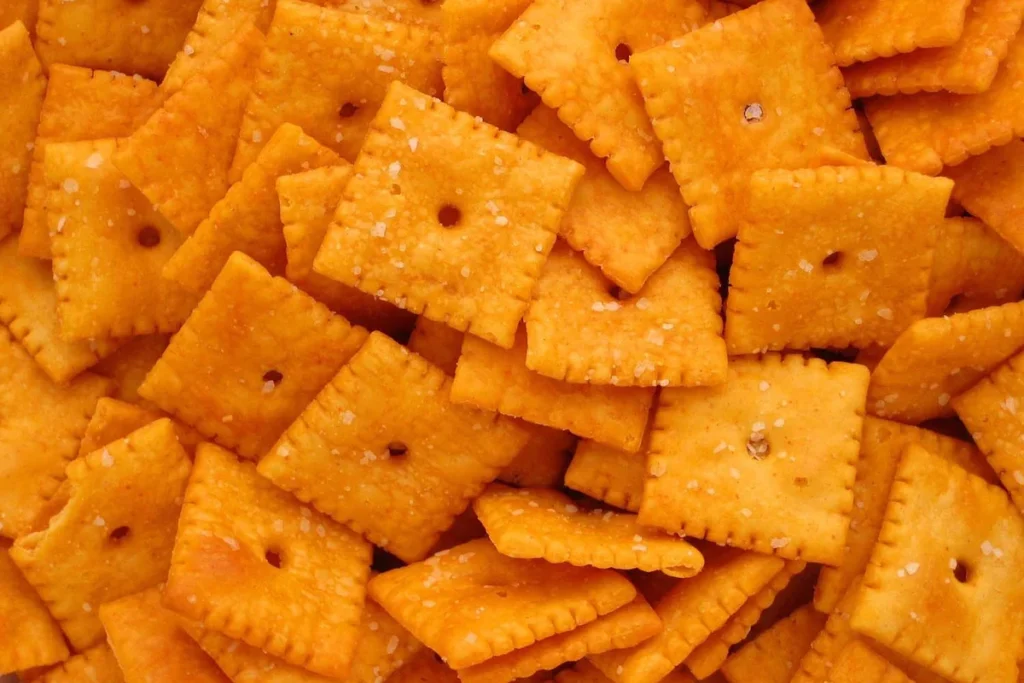
The box of Cheez-Its has been open since the last movie night, and the crunch is not what it was. Before you toss it or serve it, check the list below — it covers how long crackers keep, what to look for, and how to bring the crunch back. It takes about two minutes to work through.
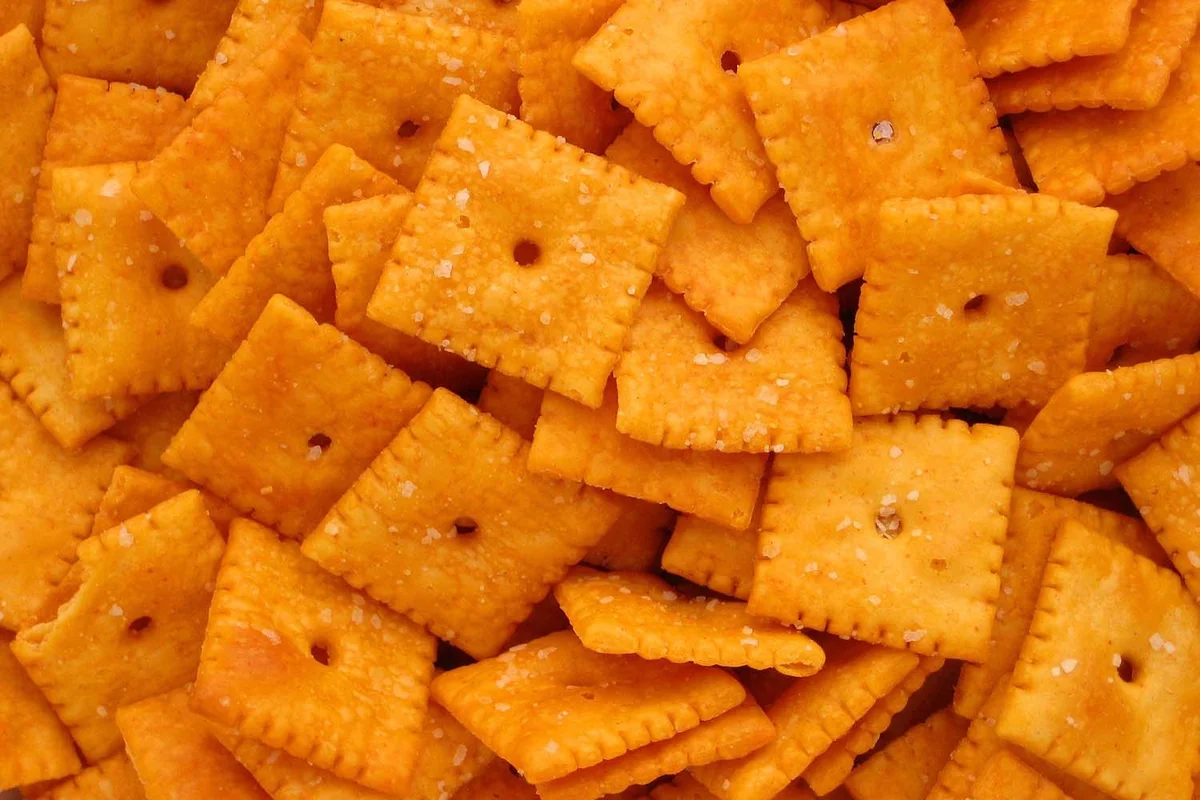
The short answer: yes, Cheez-Its can go stale and slowly develop quality problems, but a passed best-by date alone doesn’t make them unsafe. USDA says dates are not an indicator of safety — a product should still be safe and wholesome if handled properly until spoilage is evident. What matters is the box, the bag, and the crackers themselves.
How this list works
This is a checklist you can keep on your phone or print for the fridge. It covers shelf life, best-by dates, storage, and the re-crisp trick for soft crackers. The numbers below are general cracker guidelines from extension and health sources — NDSU, K-State, the Windsor-Essex County health unit, Missouri Extension, UC IPM, USDA and the FDA — not Cheez-It-specific guarantees. Assumption: a normal pantry at room temperature, one household of two adults snacking through a box.
Shelf life at a glance
- Unopened box — NDSU Extension lists crackers at 8 months; K-State lists 8 months at 70°F; the Windsor-Essex health unit lists 6 months for unopened packages. These are quality windows, not extra months past the printed date.
- Opened box — NDSU lists 1 month once opened, and says to keep the box tightly closed. Read it as a quality window: past it, the crunch is on a downhill slope.
- Past the best-by date — no Cheez-It-specific figure exists. FDA says “Best If Used By” marks when the product is at its best flavor and quality; manufacturers apply the label at their own discretion. Check the box and the crackers before deciding.
- The maker’s own label — the SmartLabel page for Original Cheez-Its gives no storage or shelf-life guidance at all. It does list vegetable oil with TBHQ for freshness, cheese made with skim milk, and 8 g of total fat per serving of 27 crackers (30 g). Check the package for the date — no official statement says where it’s printed, so look around the box.
- Freezer — an option, not a requirement. NDSU Extension says crackers stay crisp when packaged tightly and frozen, with no time limit given. Seal them in a freezer bag or airtight container and judge crispness after thawing.
- Fridge — pantry storage is the standard in every guide I read. I found no source saying crackers need refrigeration. If you do refrigerate, seal them well so they don’t pick up moisture.
Storage: where and how
- Pantry shelf, away from heat — K-State says to store foods in a cool, dry, dark location away from heat sources like appliances and the sun. I keep the box on the shelf behind the older stock, not next to the oven or the dishwasher.
- Airtight container once opened — the Windsor-Essex health unit says to move opened food into airtight containers, out of light and heat. Folding the bag over is not the same thing; moisture from the air is what makes crackers go soft in the first place.
- Tight-fitting lids, not plastic bags — for pest-proofing, UC IPM recommends containers with tight lids. If you keep crackers in a box with a clip, clip it like you mean it.
- Oldest box first — K-State says to check packages for damage and use the oldest products first. I rotate the new box to the back every time I restock.
- Check the inner bag — a dent in the outer carton alone isn’t the end of the world. Open the box and look at the bag: wet, torn or punctured means moisture has been working its way in.
- Don’t store near the sink — a loose bag or a box beside the sink or dishwasher lets in the humidity that softens crackers. Move it if your pantry shelf is the damp one.
Signs it’s time to toss
- Visible mold — the health unit’s rule is to discard food with evidence of spoilage. I don’t suggest tasting to find out.
- Rancid or off smell — Old Cheez-Its contain added oil, and old fats can turn. Ohio State Extension says if you don’t like an oil’s smell, you won’t like its flavor. Global Cold Chain Alliance says antioxidants can’t be counted on to stop it. One sniff decides it.
- Insects, webbing, tiny holes — UC IPM says these are signs of a pantry pest infestation, and to throw away any food with evidence of one. Pests can live for many weeks without food, and by the time you spot one it has usually spread — wash the shelf with soap and water and vacuum the crevices before restocking.
- Wet package, torn inner bag, clumped crackers — moisture damage means the texture is already compromised. If it’s just soft with nothing else wrong, the re-crisp below applies. If it’s clumped or damp, discard.
What doesn’t mean they’re bad
- A loss of crunch — soft is a texture problem, not a safety problem. Missouri Extension says crackers go stale by absorbing moisture from the air, and that soft crackers can be re-crisped.
- A passed best-by date on a sealed, undamaged box stored cool — USDA’s position again: dates are not an indicator of safety. Check the box and the crackers, then decide.
- Crushed crackers or crumbs at the bottom of the box — normal handling. Shake the box once and check for the real signs above.
- A dent in the outer carton — check the inner bag. The carton is just packaging; the bag is the barrier.
Bring the crunch back
- The 2-minute re-crisp — spread soft crackers in a single layer on a baking sheet and heat at 200 to 225°F for 5 minutes, then stir and repeat in 5-minute intervals until crisp. One round is rarely enough, and because Cheez-Its are small I check them early. Missouri Extension’s tip, adapted for tiny crackers.
- Only if they’re merely soft — this fixes moisture, not rancidity, mold or pests. If there’s an off smell or any sign of infestation, re-crisping just makes you smell it sooner.
- Crumbled, not whole — a slightly stale batch crushes into a fine crumb that works as a topping on a baked dish. I keep a bag of crushed crackers in the freezer for exactly this.
- Pairs with dips — whole crackers that are just a little soft go with a dip or a fondue. The crunch is the point of the snack; if the re-crisp doesn’t bring it back, the dip is the consolation prize.
How to use this list this week
- Open the box now. Check the date, the inner bag, and the crackers for the four toss signs. Two minutes, standing at the pantry.
- If the box is open, move the crackers to an airtight container tonight. That’s the single move that extends the window the most.
- Rotate the new box to the back of the shelf. Oldest first, every time.
- Keep this list on your phone or print it for the fridge. The re-crisp section is the part I use most often.
Make it yours
Flavored Cheez-It varieties have different ingredient lists — the 12.4 oz Original page lists high oleic soybean, soybean, palm and/or canola oil, while the 48 oz page lists soybean, palm, canola and/or sunflower oil, both with TBHQ. Check the label on your own package and follow any storage directions on it. The Italian Four Cheese page lists 7 g of total fat per 26 crackers (30 g). If you make your own crackers, Bob’s Red Mill says homemade crackers keep 7 to 10 days when stored properly, in a range of 45 to 77°F, and warmer temperatures shorten that. The four toss signs and the re-crisp work the same for homemade. Allergies: the Original label lists wheat, milk and soy — that matters whatever the age of the box. Recalls are a separate issue from age, so check current recall notices if you’re keeping a box a long time.
This is general information, not medical advice. If you feel off after a snack, that’s a doctor’s question, not a pantry question.
Happy cooking, Maya.