
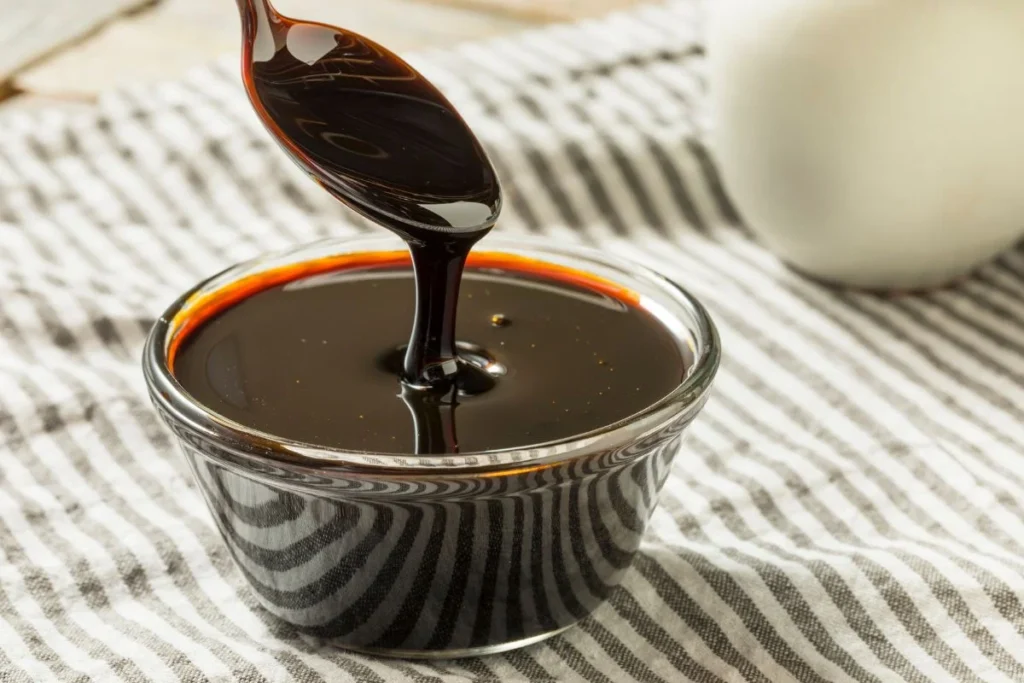
The first time I pulled a bottle of molasses out of the fridge, I had to hold it under warm water for 5 to 10 minutes before it would pour. A stretch I didn’t have, with a glaze on the stove and dinner waiting. It’s a small thing, but I did it again and again out of pure habit, because half the condiments in my kitchen end up in the fridge after opening.
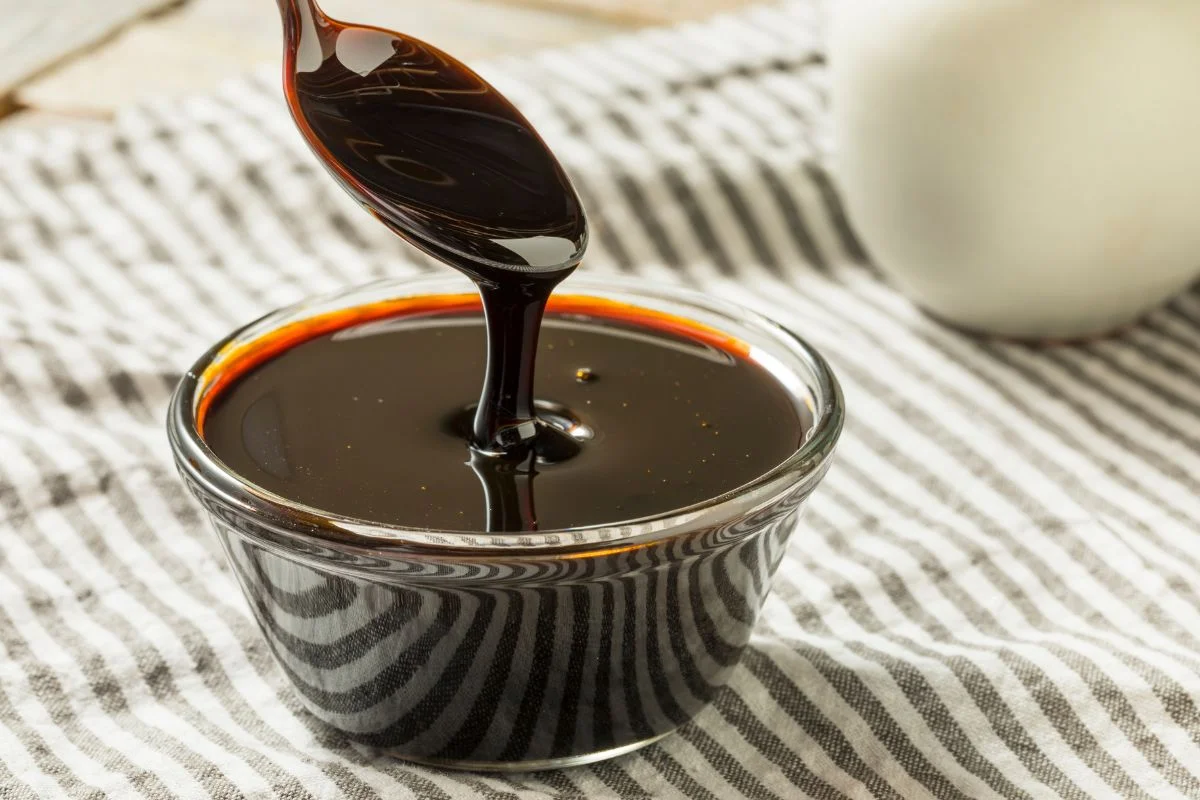
Molasses is one of the exceptions that doesn’t belong up there. This is the short, honest list of where to keep it, why, and what to do when it acts up. Read it once, stick it on the fridge door, and you’ll never do a warm-water bath out of habit again.
How this list works
- Twelve rules across four groups: the short answer, the pantry setup, when the fridge does make sense, and the fixes.
- Every item is one line you can act on the same evening you read it.
- Assumes one or two bottles in a normal home kitchen. Numbers (the sugar range, the warm-water times) come straight from the source guidance, not my kitchen.
The short answer: no, it doesn’t need the fridge
- No refrigeration required, opened or not — Grandma’s Molasses, one of the largest US producers, states plainly its molasses does not need the fridge even after opening, and Kansas State University Extension guidance (adapted from USDA’s FoodKeeper data) agrees.
- Sugar does the preserving — molasses is what’s left after sugarcane or beet juice is boiled down and most of the sucrose pulled out, leaving a syrup still around 70 to 80 percent sugar, and that concentration stops most bacteria and mold in their tracks.
- It works the same way honey does — high sugar, low moisture, so it’s shelf-stable at room temperature; molasses just holds a bit more moisture than honey does, which is the whole reason the question exists.
- The fridge mostly changes how it pours — cold makes the sugars less soluble, so a refrigerated bottle gets thick and can even grow visible sugar crystals, the same thing that happens to honey in the door shelf.
- A cool, dark pantry beats the fridge — keep it away from the stove, the oven, and direct sunlight, and the bottle does better than it ever did in the back of the fridge.
The pantry setup: where it actually lives
- A dark cabinet or pantry shelf — not the counter next to the toaster, not the top shelf above the stove; cool and dark is the whole job, and most pantries already have it.
- A glass jar with a tight screw-on lid — over the long run glass outlasts plastic, which can degrade, stain, or seal less reliably, so if you ever transfer a bottle, this is the container worth buying.
- Close the cap firmly after every single use — a loose cap is a more realistic threat than the fridge ever was, because moisture from a damp spoon or an incomplete seal is what actually sets up mold or fermentation.
- Use a clean, dry spoon — if the spoon has already touched something wet, wipe it or swap it; that’s the one habit that keeps the whole bottle safe.
- Keep it away from anything that runs warm — the side of the oven, the window that gets afternoon sun; a pantry shelf that stays cool does more for molasses than the fridge does.
- Unopened: shelf, no fuss — an unopened bottle just sits where it fits, no special handling, no timer, nothing to remember.
- Opened: same shelf, tighter seal — the only difference once you crack it is that the cap has to be closed properly every time, which is the entire rule set.
When the fridge actually makes sense
- A very hot, humid kitchen — in a climate where the pantry runs warm, chilling can slow quality loss a little more than a warm shelf would, the same reason some people keep peanut butter in the fridge even though it doesn’t strictly need it.
- A bottle that will sit for a long stretch — if you bought a big jug and won’t touch it for months, the fridge is a fair trade of some pourability for a little extra insurance on quality.
- It’s a choice, not a safety rule — neither case is about the bottle going bad; it’s a tradeoff you make on purpose, not a default you fall into out of habit.
- The seal still matters more than the shelf — refrigeration doesn’t excuse a loose cap; moisture getting in is the thing that actually creates mold or fermentation, whether the bottle is cold or not.
- Freezing is the real long game — if a bottle truly won’t get used for a long time, freezing extends shelf life more meaningfully than refrigerating, and it stays safe indefinitely frozen, though it won’t freeze fully solid and will come back thick and grainy once thawed.
The fixes: when it gets too thick
- Warm water bath, not the microwave — set the sealed bottle in a bowl of warm, not boiling, water for 5 to 10 minutes, then give it a stir once it loosens; that’s the whole fix.
- Never the microwave, open container — molasses heats unevenly and can scorch or splatter, so the bowl of water does the job without the drama.
- Crystallization? Same fix — if the bottle has gone grainy, the warm bath is what undoes it, not the fridge, which will only make the crystals worse by reducing sugar solubility.
- Expect a few extra minutes if you refrigerate — if a recipe needs pourable molasses at room temperature and yours has been in the door, budget the warm-up time before you start, not after the pan is hot.
How to use it this week
- Move your bottle out of the fridge tonight and find its permanent spot: a dark, cool pantry shelf away from the stove.
- Before you pour, check the cap seals properly; if it’s loose, that’s the first thing to fix, not the temperature.
- Grab a clean, dry spoon for the job, and wipe the cap so no moisture gets trapped under it.
- If it’s thick, set the sealed bottle in warm water for 5 to 10 minutes while you get the rest of the meal going.
- Keep a note on the fridge door: cool, dark, sealed tight, warm bath if it sets.
Make it yours
- Hot and humid where you live? The fridge is a fair call; just budget the warm-up before you bake.
- Big jug, slow use? Freezing is the better long-term move, and it stays safe indefinitely frozen.
- Transferring to a jar? Glass with a tight screw-on lid is the container that keeps up.
FAQ
Do I need to refrigerate molasses after opening? No. Grandma’s Molasses says its product doesn’t need it even after opening, and a cool, dark pantry is the standard recommendation instead.
Why doesn’t it need the fridge the way mayo does? Its high sugar and low moisture stop most bacteria and mold from growing; mayo and ranch carry more moisture and dairy or eggs that spoil faster.
Can I freeze it instead? Yes, and it extends shelf life more meaningfully than the fridge. It won’t freeze fully solid, and it’ll be thick and grainy once thawed, but it stays safe indefinitely frozen.
Does refrigerating make it last longer? Slightly, in some cases, but the gain is modest next to the hassle of a thick, hard-to-pour syrup; a tight seal in a cool, dark pantry does most of the same job.
Pantry-stable molasses is the one you actually reach for, not just at gingerbread season. Stir it into BBQ ribs, brush it over a baked ham, work it into a meatloaf glaze, or bake it into pumpkin pecan muffins.
Happy cooking,
Maya