
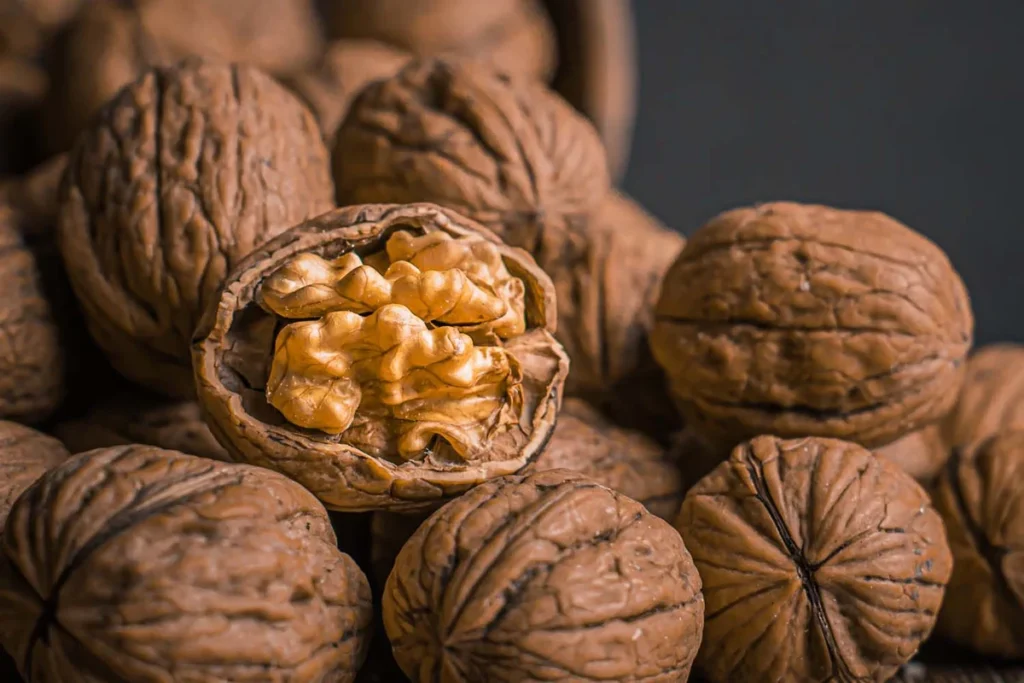
This week: a forgotten bag of walnuts from last year’s holiday baking. I opened it, sniffed it, and realized I had no idea how long it had been sitting. So I sat down with the storage guides and built the list below. You get a complete shelf-life reference for walnuts, a spoilage checklist, and a storage routine you can stick on the fridge and actually follow.
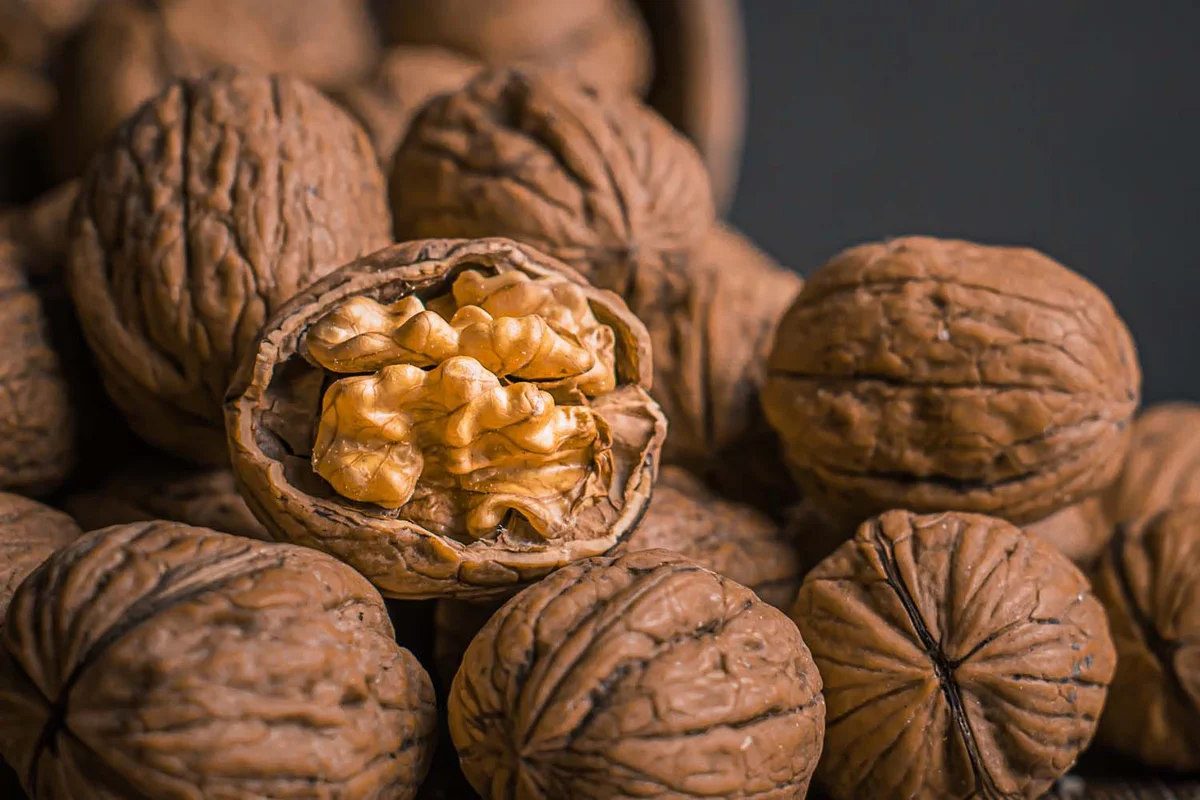
Everything here comes from the same sources the walnut industry and university extensions use: the University of California consumer nut guide, the California Walnut Board’s storage pages, Kansas State and NDSU extension guides, and USDA’s pages on dating and mold. The numbers are quality estimates, not safety guarantees — I treat them that way.
How this list works
This is a one-page reference for walnuts, in the shell or shelled. It’s organized the way I actually use it: first what lasts where (pantry, fridge, freezer), then how to check a bag before you use it, then the routine I follow after opening a package. It assumes you’re a home cook dealing with a normal bag from the store, not a backyard harvest.
Where walnuts last (the numbers, by storage spot)
These are the figures I keep on the fridge. The sources disagree in places, so I’ve kept the range and the source for each one.
- Pantry, unopened, in the shell — a few months for quality (UC); Kansas State lists 4 months at 70°F for unopened in-shell nuts. Check the package date before trusting it.
- Pantry, unopened, vacuum can — Kansas State lists 3 months; NDSU lists 1 year for a vacuum can and 3 months for other unopened packaging. Follow the package date.
- Pantry, opened package — Kansas State lists 2 weeks at 70°F, then says to refrigerate. I move opened walnuts to the fridge unless I’ll finish them fast.
- Refrigerator, sealed, 40°F or colder — UC lists 1 year for in-shell or shelled walnuts. Michigan State lists up to 3 months; NDSU lists 4 to 6 months for opened nuts; the California Walnut Board’s industry guide says up to 6 months at 32 to 41°F. I plan on 3 to 6 months for best quality and treat the year as an upper estimate.
- Freezer, sealed, 0°F or colder — UC lists 2 years or more; its general text says up to 2 years; Michigan State says up to 1 year. I’d use the shorter figure for best quality and treat 2 years as the outer limit.
- In shell vs. shelled — UC’s table gives the same times for both. No source I found gives in-shell walnuts a longer pantry life, so I treat them the same and just keep the shelled ones dry.
- Left in a warm spot — not recommended for long. UC says room temperature makes nut oils go rancid sooner and encourages insect growth. The California Walnut Board says warm temperatures are what turn walnuts rancid in the first place.
- Best-by date on the bag — USDA says dates are a quality guide, not a safety cutoff (infant formula is the exception). A bag past its date can still be fine if it was stored well; a bag that’s been warm, open, or damp is judged by how it looks and smells, not the date.
How to check walnuts before you use them
The California Walnut Board’s test is smell: fresh walnuts smell mildly nutty and taste sweet, and walnuts that smell like paint thinner are rancid. Here’s my full check, in order.
- Visible mold — on the nuts, inside shells, or on the container. Discard without sniffing; USDA says not to sniff a moldy item because the spores can bother your breathing.
- Paint-thinner, stale, or rancid smell — that’s the California Walnut Board’s sign. Toss the bag.
- Insects, larvae, or webbing — UC says room-temperature storage encourages insect growth, and the Oregon State guide names the Indian meal moth as the one that can make nuts wormy in one season.
- Soft, rubbery, shriveled, or damp nuts — my own checklist item. Treat it as a sign of age; mold and smell are what settle the safety question.
- A recalled product — if your bag matches a recall notice, don’t eat it. In 2024, bulk organic walnuts from Gibson Farms (Hollister, CA) were recalled in April for E. coli O157:H7 — 13 ill people in California and Washington, 7 hospitalizations, no deaths — and Stutz Packing (Indio, CA) recalled 1-pound packages of shelled walnuts in July for possible Listeria. Both notices are historical now, but checking current recall notices is still a sensible step if you bought bulk walnuts and aren’t sure.
- Unknown history — open for a long time in a warm kitchen? The cautious move is to toss it. A normal look and smell can’t rule out harmful bacteria, per UC.
Two things that don’t automatically mean trouble: broken halves and crumbs at the bottom of the bag are just breakage, and a slightly darker surface on its own isn’t proof of spoilage — direct sunlight can darken a walnut’s surface, and cold storage slows that. Check smell and mold before deciding.
My storage routine after opening a bag
This is the list I actually follow. It takes about two minutes and keeps the same bag good for months instead of weeks.
- Move the nuts to a clean, dry container with a tight lid. Keeps out moisture and odors. The California Walnut Board says to do this once the bag is open.
- Keep the container away from strong-smelling foods. The Board names fish, cabbage, and onions as the ones to keep away from, because walnuts absorb the flavors of other foods.
- Refrigerate the container. Or freeze it if you won’t use the walnuts for a month or longer — that’s the California Walnut Board’s own line.
- Wait to shell or chop until you’re ready to use them. The Board says this preserves flavor, and its industry guide explains why: cutting and grinding increase the exposed surface area and start the oxidative process that shortens shelf life. Same for grinding walnut meal — do it when you’re about to add it to a recipe.
- Don’t wash in-shell walnuts. UC says the extra moisture can encourage bacteria or mold growth on nuts in the shell.
- Label the container with the date you opened it. My own suggestion — it’s what tells me a bag is past the 3-to-6-month window.
Freezing doesn’t change the safety picture: UC says refrigeration and freezing don’t destroy Salmonella. But freezing at 0°F for 48 hours does kill insect pests and their eggs, which is the step UC describes for nuts that sat at room temperature. I haven’t found a source on how to thaw walnuts, so I just open the container as needed and reseal it.
What to do with the walnuts you actually have
Walnuts show up in a lot of the things I bake. Here’s what I keep in rotation — these are the uses that justify keeping a good bag in the freezer.
- Chocolate chip cookies — a small-batch recipe lists 2/3 cup of chopped walnuts as optional.
- Russian tea cakes — call for 3/4 cup of finely chopped walnuts or pecans.
- Cinnamon baked pears — the version with elderberry whipped cream and manuka honey lists 1/2 cup of chopped walnuts.
- Cinnamon pecan crunch banana bread — the topping is chopped pecans or walnuts, lightly toasted.
- Pumpkin spice bread — calls for 1/2 cup of chopped nuts of choice, pecans or walnuts.
- Nectarine crisp — uses 1/2 cup of chopped pecans or walnuts in the topping.
- Banana cream protein shake — lists 1 tablespoon of walnuts.
Toast or bake only what you’ll use, and store the rest sealed. Cooking won’t restore rancid nuts or make moldy ones safe, and a white or green fuzzy coating means discard without sniffing.
How to use it this week
- Start with the freezer. If you have walnuts you won’t use within a month or two, seal them in a container and freeze them. That’s the one move that buys you the longest shelf life on the list.
- Check the bags you already own. Pull out anything from last year, run the smell and mold check, and toss what fails. A bag that’s been open in a warm pantry for two months is well past the 2-week figure Kansas State gives for opened nuts.
- Buy shelled walnuts in the freezer aisle if your store stocks them. You skip the whole open-and-rebag step.
- Label what you open. The date on the container is what lets you apply the 3-to-6-month fridge window without guessing.
- Keep the list where you shop. Print this page and put it on the fridge next to the grocery list. That’s where it lives for me.
Make it yours
Buying in shell? Keep the same times, just keep them dry and skip the shell-or-chop step until you’re ready. Salted walnuts may keep a shorter quality life than unsalted ones — Kansas State and NDSU both note unsalted and blanched nuts keep longer, without a number — and candied or coated walnuts are a different product with their own label, so follow the package. If you have allergies or a medical diet question in the family, ask your doctor or a dietitian rather than relying on a storage list.
FAQ
Do walnuts need to be refrigerated? Not on day one, but the California Walnut Board says the best place is the refrigerator or freezer. I refrigerate anything I’ll use within a few weeks and freeze anything I won’t use for a month or longer.
Can you freeze walnuts? Yes. UC lists 2 years or more in the freezer at 0°F, in the shell or shelled. Michigan State says up to 1 year, so I plan on the shorter figure.
Are rancid walnuts dangerous? UC says they’re not unsafe but have a sharp flavor most people find unpleasant. The California Walnut Board says to throw them away, and I agree. Rancidity is a quality problem, not a safety test.
Do chopped or ground walnuts go bad faster? Yes, because the exposed surface area increases and the oxidative process starts. The Board says to wait to chop or grind until you’re ready to use them. I store pre-chopped walnuts cold and sealed.
Written down, it works.
Happy cooking, Caleb.