
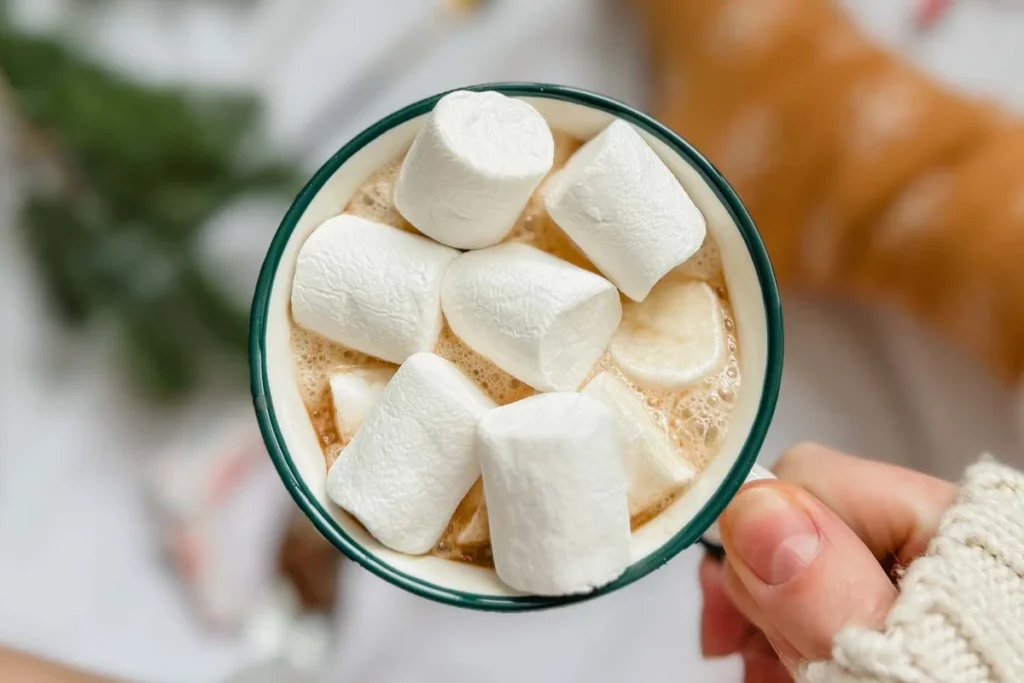
That half-open bag of marshmallows has been in the back of the pantry since the last campfire. Now there’s a sweet potato casserole on the table and a decision to make: toss them, or use them?
Print this list, stick it on the fridge door, and next time you spot that bag you’ll know in about thirty seconds what to do. No sniffing required (which, per the USDA, is exactly what you don’t want to be doing anyway).
How this list works
This covers every marshmallow product you’re likely to have in the cupboard: bagged marshmallows, a jar of marshmallow creme, and homemade ones from a weekend recipe. Each section gives the shelf life the university extension charts actually publish, the storage rule that goes with it, and the signs that mean the bag is done. The assumption is one home kitchen, a cool dark pantry, and a reader who wants to use what they have instead of buying a new bag out of guilt.
Shelf life, by what you actually have
- Unopened bag of marshmallows — the charts we read range from 2 to 3 months up to 1 year. NDSU, K-State, and New Mexico State all list 1 year unopened, while the Idaho/Oregon State/Washington State, Texas A&M, Georgia, and Ohio State charts give 2 to 4 or 2 to 3 months. Follow the date on your bag.
- Opened bag of marshmallows — NDSU is the only chart with an opened figure: 1 month, kept in an airtight container. That’s a quality estimate, not a safety deadline.
- Unopened marshmallow creme — 2 to 5 months across the extension charts, with K-State listing 3 to 4 months unopened.
- Opened marshmallow creme — NDSU says 1 month with the lid on tight. Most charts say refrigerate after opening to extend storage life. Marshmallow Fluff’s own FAQ says room temperature is fine, and that refrigeration extends shelf life significantly — so follow the label on your jar, and we’d refrigerate.
- Homemade marshmallows — no universal time exists. Follow your recipe’s storage instructions, keep them in a tightly closed container, and discard any with mold.
- Freezer — many food sites say marshmallows freeze well, but none of the extension guides we read give a marshmallow freezer time, so don’t treat the pantry numbers above as freezer numbers.
Storage rules that actually keep them soft
- A cool, dry, dark spot — K-State recommends keeping marshmallows away from heat sources like appliances and sunlight. The back of the cupboard above the stove is the wrong pantry.
- An airtight container, every time — every chart that adds a storage note says the same thing: reseal the bag or transfer to a jar or zip-top bag with a tight closure, and press the air out before sealing.
- Away from steam and humidity — the charts don’t spell this out, but soft, airy confections are exactly what humidity attacks. Keep the bag out of the splash zone of anything that boils.
- Write the open date on the bag — one pen stroke that turns ‘I think this is from the campfire’ into ‘opened September, use by October.’
- For the creme jar — cover it tightly, refrigerate after opening if you can, and use it within about a month. If you’re the kind of person who keeps an unopened jar for s’mores season, that’s the 2 to 5 month window.
- Inspect the package, not just the marshmallows — UC IPM says webbing in tight corners of a package or tiny holes in a food container are signs of a pantry pest. Indian meal moth larvae eat chocolate, candies, and other confections, so check the bag itself, especially once it’s been opened.
Signs that mean it’s time to toss them
- Visible mold — USDA says if food is covered with mold, discard it. They also say not to sniff the moldy item, because it can cause respiratory trouble. A fuzzy spot means the whole bag goes, not just that one.
- Insects, webbing, or tiny holes in the package — UC IPM says throw away any food showing evidence of infestation, and inspect the packages sitting next to it. Store the survivors in containers with tight-fitting lids rather than plastic bags.
- Chewed or torn packaging — this one’s from my checklist, not an agency. A compromised bag lets in the moisture and the moths, so treat it like an opened bag with a short clock.
- A sour or fermented smell when you open the bag — also my checklist. If the first breath out of that bag doesn’t smell like toasted sugar, stop and look closer.
- Wet, slimy, or weeping marshmallows — marshmallows should be soft or firm, never wet. Wet means the bag is losing its structure and something is getting in.
One honest note: the Idaho, Oregon State, and Washington State publication says the presence of pathogens can’t always be detected by appearance or smell. A normal look doesn’t prove safety, and we don’t suggest tasting to test.
Things that don’t automatically mean trouble
- Firm or dried-out marshmallows — that’s a texture change, not mold. None of the guides we read call firmness unsafe on its own. For roasting or any recipe where texture matters, use fresh ones, but the cupboard ones are still fine to eat.
- Marshmallows stuck together in a clump — also a texture change. Check the package for damage and any signs of contamination, and if both are clean, break the clump apart and use it.
- A bag past its Best By date — per the USDA, product dates are about quality, not safety (except on infant formula). A bag past its date isn’t automatically unsafe. Check the signs above first, then use it soon and expect it firmer than a fresh bag.
- Hardness that came on slowly — the charts that add a note point to the same fix: an airtight container and a spot away from heat. We found no extension guidance on actually softening them, so prevention is the whole game.
How to use it this week
- First, empty the pantry shelf — pull every marshmallow product out: the half-open bag, the creme jar, anything from the holidays. This is a five-minute job that ends the ‘is that still in there’ guessing.
- Then date-stamp and reseal — write the date on anything opened, press the air out, and seal it in an airtight container. The opened bag gets the airtight treatment before it goes back.
- Then sort by clock — opened bag: use within about a month. Opened creme: refrigerate and use within about a month. Unopened bags and unopened creme: follow the package date and the chart range above.
- Then check the neighbors — UC IPM’s pest advice is to inspect packages sitting next to an infested one, so give the chocolate and cereal on that same shelf a once-over while you’re in there.
- Then make the casserole — if the bag passes the checks above, it’s fine for the sweet potato casserole. If you want a smooth, soft topping, use fresh marshmallows instead and save the old bag for cocoa.
Make it yours
- Swap the container — if you don’t have a jar with a tight lid, a zip-top bag with the air pressed out works the same. What matters is the seal, not the vessel.
- Scale it to your s’mores habits — if your family goes through a bag a month, buy the smaller size and never face an eight-month-old mystery bag. If you’re a slow burn, the airtight container is your whole system.
- Add it to your broader pantry routine — the same rules cover the rest of the candy stash after the holidays. One shelf, one set of rules, one date-stamp habit.
FAQ
Do marshmallows go bad?
Yes, but slowly. Extension charts put pantry storage at 2 to 3 months up to 1 year, and NDSU gives 1 month once opened. Discard marshmallows with mold or signs of insects.
Can you eat marshmallows past their Best By date?
Per the USDA, dates are about quality rather than safety, so a bag past its date isn’t automatically unsafe. Check for mold, insects, and tiny holes in the package first. We don’t suggest tasting to test.
Do marshmallows need to be refrigerated?
No. The charts list bagged marshmallows as a cupboard item in an airtight container, and none gives a refrigerator time. Most charts do say to refrigerate opened marshmallow creme to extend its storage life.
Can you freeze marshmallows?
Many food sites say they freeze well, but the extension guides we read give no marshmallow-specific freezer time. Follow the manufacturer’s guidance where it exists, and don’t treat the pantry numbers as freezer numbers.
Happy cooking, Maya.