
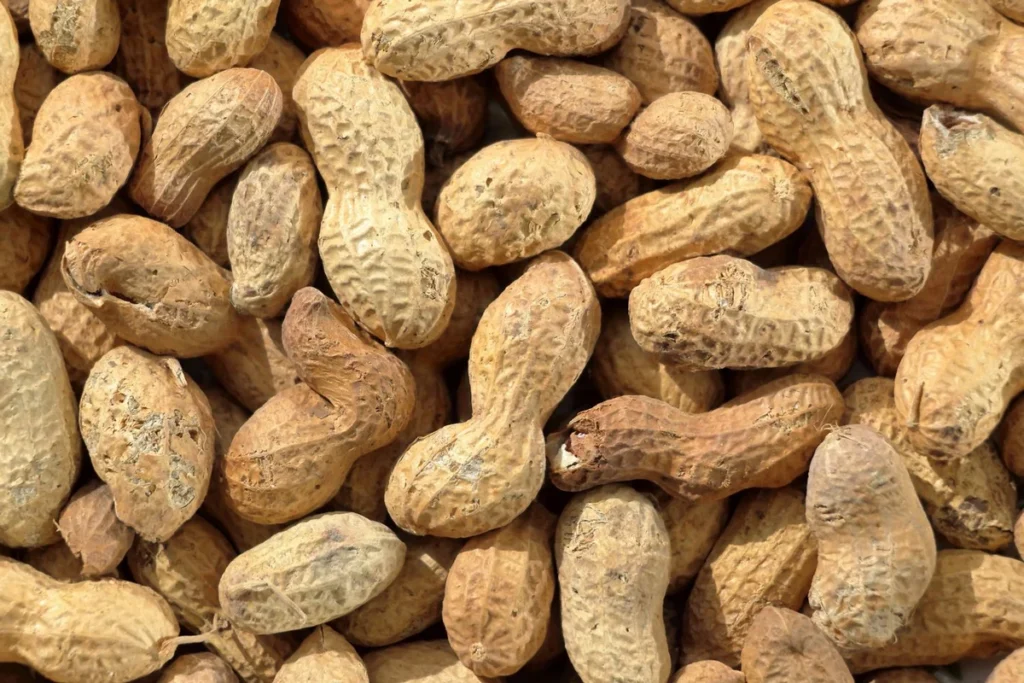
The shelf in my pantry has a label above it: peanuts, opened 3 weeks ago. I write dates on everything that lives longer than a week — it’s how I keep the freezer from turning into a mystery drawer. Peanuts are one of the things I keep a running ledger on, because the numbers surprise people: a bag that looks fine can be past its prime, and a date on a can tells you less than you’d think.
Print this list out and pin it next to your pantry. It takes about five minutes to go through it once, and then it’s just a column you update when you open something new. I’ve set the numbers straight against the National Peanut Board, USDA, FDA and university extension guides, so the only judgment calls left are your own.
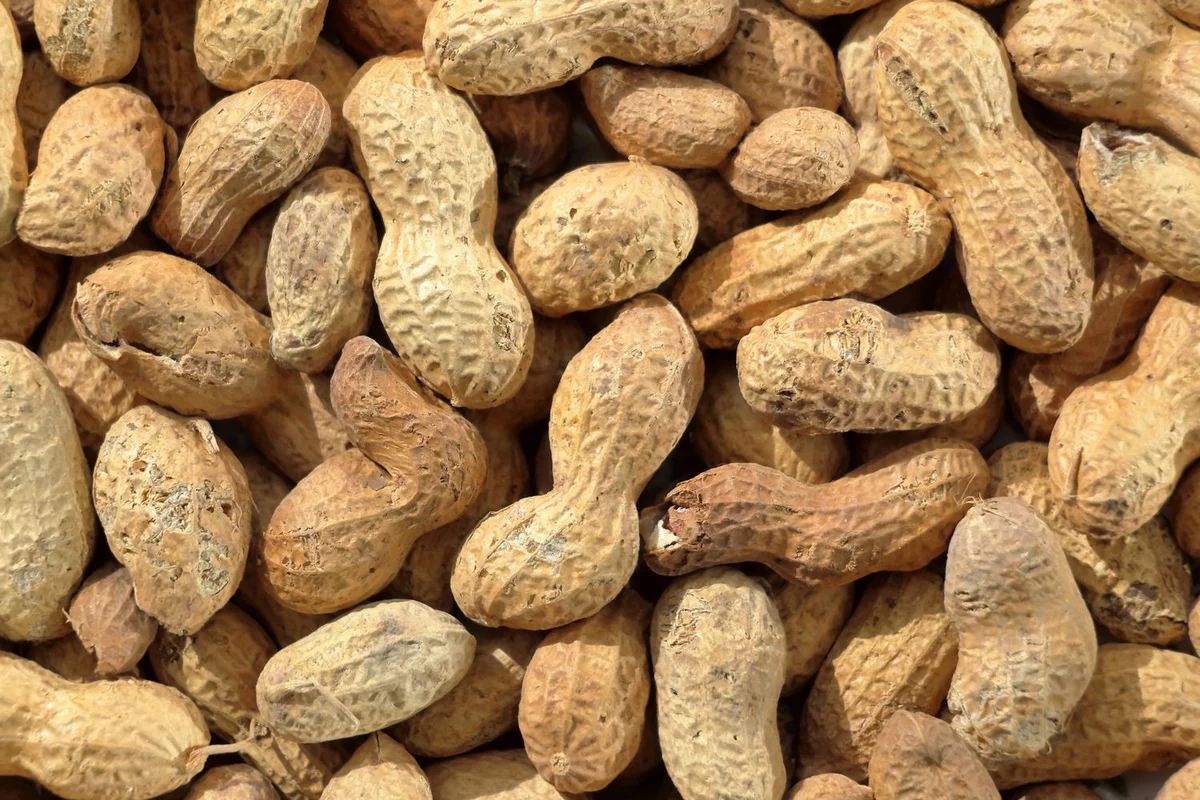
How this list works: it’s grouped by where your peanuts live — the counter, the fridge, the freezer — then by how to spot a bad bag and what to do about it. The numbers are quality estimates from the sources cited below, not safety guarantees. Everything is written for one household keeping a small peanut supply, the way I do: a bag of roasted peanuts for the kids’ snacks, a can of cocktail peanuts for the holidays, and occasionally in-shell ones that end up on the grill.
What the numbers actually say
Before you sort anything, here are the baseline numbers, because the sources disagree and it’s worth knowing which one I’m working from.
Pantry, bagged peanuts (in or out of shell) — 1 to 2 months, per the National Peanut Board. Other guides list up to 4 months for unopened in-shell nuts, but I plan around the shorter number.
Refrigerator, sealed (40°F or colder) — 4 to 6 months for bagged peanuts. That’s the number I put in my own ledger after a bag gets opened.
Freezer (0°F or colder) — I plan around 3 months for best quality. Extension guides list 1 to 3 years for nuts in general, so the freezer is where a bag you won’t finish in a season belongs.
Unopened cans or jars — 2 years per the National Peanut Board. Follow the printed date on the package either way.
Moldy peanuts — discard. USDA puts nuts under “Discard” when moldy, and says not to sniff a moldy item.
Best-by date — a quality date, not a safety date, per USDA. I write the opened date on the container myself, because that’s what I actually plan around.
What belongs on the counter (and for how long)
This is the part that’s easy to get wrong, because peanuts don’t smell bad until it’s almost too late.
Unopened cans and jars — fine in a cool, dry pantry. The printed date is a quality guide; discard cans that are heavily rusted or deeply dented, and anything leaking or bulging.
A bag you’ll finish in a few weeks — a sealed container in a cool cupboard works. That’s the only situation where I’d leave peanuts at room temperature.
A big bowl of cocktail peanuts on the counter — not for weeks. UC says room temperature makes nut oils go rancid sooner, and the National Peanut Board’s pantry number is 1 to 2 months at best. I keep the party bowl under 3 days, then the rest goes in the fridge.
Roasted or salted peanuts, once open — follow the package date and move them into the fridge after opening. Unsalted and blanched nuts keep longer than salted ones, per Kansas State and NDSU, with no exact number given.
In-shell peanuts — keep them dry, and don’t wash them before storing. UC says the extra moisture could encourage bacteria or mold growth. No source I found gives in-shell peanuts a longer pantry time than shelled ones.
Anything that’s been sitting in a warm spot — not recommended for long storage. If your kitchen runs hot in summer, this is the shelf your peanuts don’t belong on.
An opened bag at room temperature — Kansas State lists 2 weeks at 70°F for opened nuts. After that I refrigerate or freeze, even if the bag still looks fine.
Boiled peanuts, cooked — they’re a different animal. Refrigerate within 2 hours and use within 3 to 4 days, per USDA’s leftovers rule. A North Carolina Extension recipe says 7 days refrigerated, but I plan around the shorter USDA figure.
Boiled peanuts, frozen — up to 3 to 4 months per USDA, in a sealed container. You’ll lose a little moisture and flavor past that.
The fridge and freezer: where bags actually live
This is where I keep most of my peanut supply. It’s the cheapest way to get 4 to 6 months out of a bag you opened in the fall and want to snack on in winter.
Opened bag, sealed container, fridge — 4 to 6 months for best quality. I label the container with the date I opened it, because that’s the number I’ll want next time I open the fridge.
In-shell peanuts, fridge — same 4 to 6 months. Keep them dry, same rule as on the counter.
Long-term stash, freezer — sealed freezer bag or container, plan around 3 months for best quality. NCHFP lists 1 to 3 years for nuts in general, so if you’re freezing a bigger haul you’re inside published ranges; I just don’t plan past 3 months because that’s when I’ve noticed quality starting to slip.
Freezing doesn’t fix a bad bag. UC is blunt about this: refrigeration and freezing do not destroy the bacteria behind the salmonellosis outbreaks tied to dried foods. Cold storage protects quality; it doesn’t rescue a bag that was left open in a hot kitchen.
Thawing — I just open the container as needed and reseal it. I found no peanut-specific thawing guidance, so I don’t complicate it.
Moving an old bag into the fridge — doesn’t restore lost quality. If it’s been on a warm counter for months, the fridge is too late; it’s a sniff-test-and-decide moment, and when in doubt I toss it.
Peanut butter and PB2 — different products with their own rules. They live in their own row on my ledger, not this one.
Flavored, candied or chocolate-coated peanuts — follow the label. If the label says refrigerate after opening, I do, even though plain peanuts have their own times.
How to tell when a bag is done
Here’s the actual check I run, in order. It’s partly agency guidance and partly my own checklist, and I’ve marked which is which so you know where the judgment calls start.
Visible mold — discard, don’t sniff. USDA’s rule. Nuts go under “Discard,” and sniffing a moldy item can cause respiratory trouble. I discard the whole bag, not just the moldy kernels.
A stale, sour or rancid smell — discard. My own checklist item, not an agency list. UC describes rancid nuts as having a sharp flavor most people find unpleasant. Rancidity is a quality problem, not a safety verdict — but in my kitchen, quality is good enough to throw out over.
Insects, larvae or webbing — discard the bag. UC says room temperature storage encourages insect growth. If I see even a couple of small bugs in a bag, the whole bag comes out.
Soft, rubbery, shriveled or damp peanuts — treat as a sign of age. My own checklist item. Texture and color alone don’t prove the bag is unsafe, but I don’t trust a soft bag that also has an unknown storage history.
A bag that matches a recall notice — don’t eat it. In May 2024, Hormel recalled 4-ounce packages of Planters honey roasted peanuts and 8.75-ounce cans of deluxe lightly salted mixed nuts for possible Listeria. That recall is historical, not a finding about any bag you own — but if you’re unsure, checking current recall notices is the sensible move.
Unknown history — the cautious call is to toss it. A bag that’s been open for a long time in a warm kitchen has a storage record I can’t verify, and in my book that’s reason enough.
A white or fuzzy coating — don’t assume it’s harmless. If it looks powdery or spreading, discard without sniffing. I can’t identify a white coating from a description, and neither can you from a bag in the fridge.
Broken pieces and skin flakes at the bottom — not automatically a problem. That’s normal wear from storage. I check for mold and smell as well before deciding.
What the sources don’t cover (and what that means for you)
Honest gaps, because they matter for how you use this list.
Peanut-specific times are scarce. Most extension guides list nuts as a group. The National Peanut Board is the main source with a peanut-specific table, which is why I anchor to its numbers.
Raw vs. roasted — no source I found compares them directly. I treat them the same and follow the package date on roasted or salted ones.
Homegrown peanuts — Clemson Extension says cured peanuts bagged in loosely woven containers and hung in a cool, dry area free of insects and rodents can keep several months without significant quality loss. If you grow them, that’s your row.
Old peanuts for birds — I found no agency source on aflatoxin and birds, but I wouldn’t put out peanuts with mold or an off smell. Moldy or spoiled food can cause respiratory illness in birds.
Aflatoxin — FDA says peanuts are among the foods most susceptible, and that regularly eating foods with aflatoxins can increase your risk of liver cancer. Its nonbinding guidance says it may consider peanuts with more than 20 parts per billion of total aflatoxins adulterated. That’s a lab threshold, not a home test — so the practical rule stays the same: discard what’s moldy.
Non-US readers — USDA and FDA are US bodies. The numbers here are quality estimates, not regulations, so they hold up reasonably well elsewhere, but check your local food authority if you need a formal reference.
How to use this list this week
First, do a 5-minute pantry sweep. Pull every bag and can of peanuts you own. If it’s unopened and sealed, note the date and leave it. If it’s open, check the date you opened it — if you don’t have one, write it now.
Sort into three piles: counter-safe (unopened, or a bag you’ll finish within a few weeks), fridge (everything open you won’t finish this month), freezer (anything you’re keeping past 3 months).
Buy a set of small airtight containers if you don’t have them. Moving open bags into sealed containers is the single step that changes the shelf life the most, because it keeps out moisture and odors.
Label every container with the open date. That’s the number my whole ledger runs on. It takes 30 seconds and saves the sniff test most of the time.
Set a monthly reminder to check the peanut shelf while you do your other pantry rotation. Five minutes, once a month, is the whole maintenance cost of this list.
Make it yours
Scale it to your household: if you buy peanuts once a year for the holidays, you only need the unopened-can row and the “what to do when you open it” section. If you run peanuts through the house year-round, the fridge and freezer sections are where your time is best spent.
Swap the 3-month freezer target for a longer window if you’re freezing a big batch and your sources give you a longer range — the guides do go up to 3 years for nuts in general. Just know that you’re past the conservative number when you do.
If you have a peanut allergy in the house, the storage rules here don’t change, but the “discard the whole bag” rule gets stricter, because a few moldy kernels matter more when one peanut is a real event. For anything involving allergies or a medical diet, ask your doctor or a registered dietitian — I’m a bookkeeper, not a nutritionist.
FAQ
Do peanuts go bad? Yes — through rancidity or mold. The National Peanut Board lists bagged peanuts at 1 to 2 months in the pantry and 4 to 6 months refrigerated. Cold, airtight storage is what keeps them where they should be.
Can I eat peanuts past the printed date? If they were stored properly, usually yes. USDA says dates are about quality, not safety. Discard anything moldy, rancid, infested or recalled. A normal look and smell won’t rule out bacteria, so when in doubt, toss it.
Should I refrigerate peanuts? Once a bag is open, yes. The fridge buys you 4 to 6 months instead of 1 to 2. Unopened cans and jars can stay in the pantry; follow the package date.
Is rancid peanut dangerous? Not usually unsafe, per UC — but it tastes sharp and unpleasant. I don’t keep rancid peanuts around, so for my household the answer is “yes, throw it out.”
The bottom line
Total spent on this list: five minutes of your time and a set of airtight containers if you don’t have them. What freezes well: an open bag you’re keeping past a month, in a sealed container, up to 3 months at the conservative end. What I’d cut next time: leaving a big bowl of cocktail peanuts on the counter past a few days — that’s where most of my wasted bags have come from.
Sources: National Peanut Board, USDA, FDA, UC Agriculture and Natural Resources (Publication 8406), Kansas State University Extension, NDSU Extension, NCHFP, Alabama Extension, Clemson Cooperative Extension, North Carolina Cooperative Extension. This list is general information, not medical advice — for allergies or a medical diet, ask your doctor or a registered dietitian.
Written down, it works.
Happy cooking, Caleb.